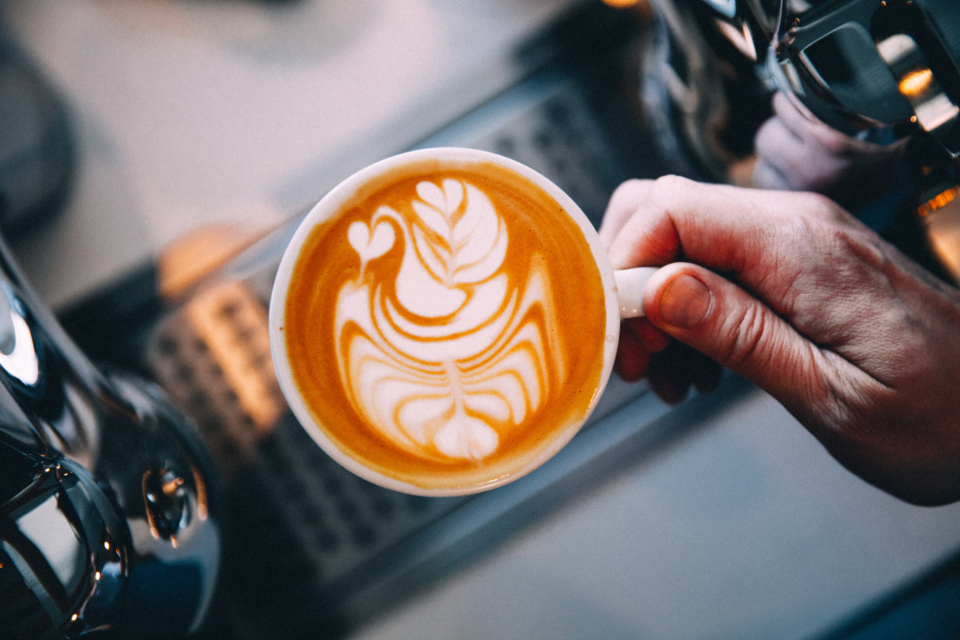
Denver's coffee culture arrived in two distinct waves. The first came with the city's growth in the 1990s and 2000s — a mix of Rocky Mountain independent cafes and the national chains that followed population growth. The second wave hit harder in the 2010s, when Denver became a genuine specialty coffee city with its own roasters, its own cafe aesthetic, and an increasingly discerning customer base.
Today, Denver has one of the stronger independent coffee scenes in the Mountain West. The city's character — outdoor-oriented, unpretentious, health-conscious, and with a large remote-work population — has shaped what kind of coffee shops thrive here. The scene skews toward places that are good at multiple things: quality espresso, useful space to work, and drinks that reflect some actual thought about where the coffee came from.
Denver's Neighborhoods and Their Coffee Personalities
RiNo (River North Art District) is the neighborhood that put Denver's coffee scene on the national map. Several of the city's best roasters and flagship cafes are here, and the density of quality within walking distance is hard to match elsewhere in the city. The neighborhood's creative-industry population has created a customer base that expects a lot from its coffee. RiNo cafes tend to be design-forward with serious espresso programs.
Capitol Hill and Cheesman Park have an older, more eclectic coffee culture — independent shops that have been operating for fifteen or twenty years alongside newer spots. The clientele is mixed: neighborhood regulars, students, freelancers. These are not always the most Instagram-ready cafes, but they often have the best regulars and the best ambience for actually sitting for three hours with a book.
Five Points has developed a strong independent coffee scene alongside its broader neighborhood resurgence. Several Black-owned cafes have opened here in the last several years that have quickly become neighborhood anchors.
LoHi (Lower Highlands) has a more polished, slightly upscale cafe scene — clean spaces, strong execution, and proximity to residential neighborhoods where people can walk. Good for a morning espresso but sometimes thin on comfortable seating for longer stays.
Baker and South Broadway have a DIY, more casual coffee culture. These are the shops where the espresso machine is next to a vinyl listening bar or a small art gallery. Less precious about coffee, but often better at the overall experience.
Cherry Creek has high-end cafes designed for the shopping-center-adjacent customer: reliable, comfortable, not particularly adventurous. Good for a meeting. Not the place to find an unusual natural-process Ethiopian.
Aurora and Lakewood have fewer destination coffee spots but have developed their own local cafe cultures as those cities have grown. Worth exploring if you live there — don't assume you have to drive to Denver proper.
What Denver Does Well
Altitude and brewing — at 5,280 feet, water boils at a lower temperature (roughly 202°F vs. 212°F at sea level). Good Denver coffee shops adjust their extraction accordingly. Espresso machines are calibrated for altitude, and pour-over temperatures are adjusted upward. When a shop hasn't made these adjustments, espresso can taste sour and underextracted. This is the altitude tell.
Cold brew and iced drinks — Denver gets a lot of sunshine and fluctuates in temperature in ways that make iced coffee a year-round category. The city's cold brew culture is strong. Nitro cold brew on tap has been a fixture at better Denver cafes for years.
Locally roasted beans — Denver has several well-regarded roasters whose beans you can track down directly. Buying a bag to take home is often worth doing; Denver roasters are generally competitive with the best national small-batch operations.
The Work-from-Coffee-Shop Question
Denver has a large population of remote workers, and the city's cafes vary significantly in how well they accommodate working guests.
Good signals: abundant power outlets, tables the right height for a laptop, reliable WiFi that actually handles video calls, and implicit permission to stay for a few hours without ordering every forty-five minutes.
Bad signals: only bar seating or communal high tables, WiFi with a time limit or no WiFi at all (some specialty cafes intentionally don't offer it), or a space clearly designed for quick turnover.
If you're planning to work, a quick look at the floor plan photos on a shop's website or Google Maps listing usually tells you what you need to know before making the trip.
Specialty Coffee vs. Everyday Coffee
Not everyone wants a detailed explanation of the processing method on their Ethiopian single-origin pour-over. Sometimes you want a large coffee, reasonably priced, quickly, that tastes good. Both are legitimate.
Denver handles both well. The specialty coffee shops (which prioritize sourcing, technique, and equipment) tend to be concentrated in RiNo, LoHi, and Capitol Hill. The everyday-excellent shops — places with good drip, an honest latte, and no quiz required — are distributed throughout the city.
One rough guide: if a cafe lists the farm, region, and processing method on the menu, it's specialty-forward. If it lists a drink menu with prices and you order by size, it's more accessible. Both can be excellent.
A Few Things Worth Knowing
Many Denver cafes close earlier than you'd expect — 3pm or 4pm is common for some of the smaller specialty operations. If you're planning a late-afternoon visit, check hours.
Parking in RiNo and Capitol Hill is tight. Most of Denver's best coffee neighborhoods are accessible by bike or on foot from nearby residential areas, and the bus network covers most of them. Don't plan around driving directly to the door.
Seasonal menus are common. Denver cafes lean into seasonal ingredients — fall drinks often feature local apples, honey, and warming spices. Spring brings lighter, more floral profiles. If something looks interesting on the seasonal board, order it — it won't be there in three weeks.
Looking for coffee shops near you in Denver? Browse our directory of local cafes with addresses, hours, and directions.