Boston has an unusual problem for a seafood city: its reputation is so strong that a restaurant can serve mediocre fish indefinitely as long as it has a harbor view and a chowder on the menu. The good stuff is abundant and it is not hard to find, but the tourist circuit and the local circuit only partially overlap, and the gap between them is wider here than in most American food cities.
The fundamentals in Boston's favor are real. New Bedford has been the highest-value fishing port in the country for years, largely on sea scallops. The Gulf of Maine supplies haddock, cod, pollock, and hake. Massachusetts and Rhode Island grow some of the best oysters in the world. Lobster comes down from Maine and off the Cape. The supply chain is short enough that a restaurant that wants to buy well can buy extremely well.
What's Actually Local
Knowing what genuinely comes from nearby waters helps you order confidently and spot menus that are just performing regionality.
Sea scallops — New Bedford is the center of the American scallop fishery. Ask whether they're dry-packed. Wet-packed scallops are treated with a phosphate solution that makes them absorb water; they weigh more, they leach liquid in the pan, and they will not sear. Dry scallops brown properly and taste like scallops.
Haddock is the New England white fish. More than cod, honestly — haddock is what most locals grew up eating fried, baked, and in chowder. It's slightly sweeter and finer-flaked than cod.
Cod still carries the symbolic weight (there's a wooden one hanging in the State House) but the stock has been under pressure for decades and much of what's served now comes from elsewhere in the North Atlantic. Good cod in Boston is still very good.
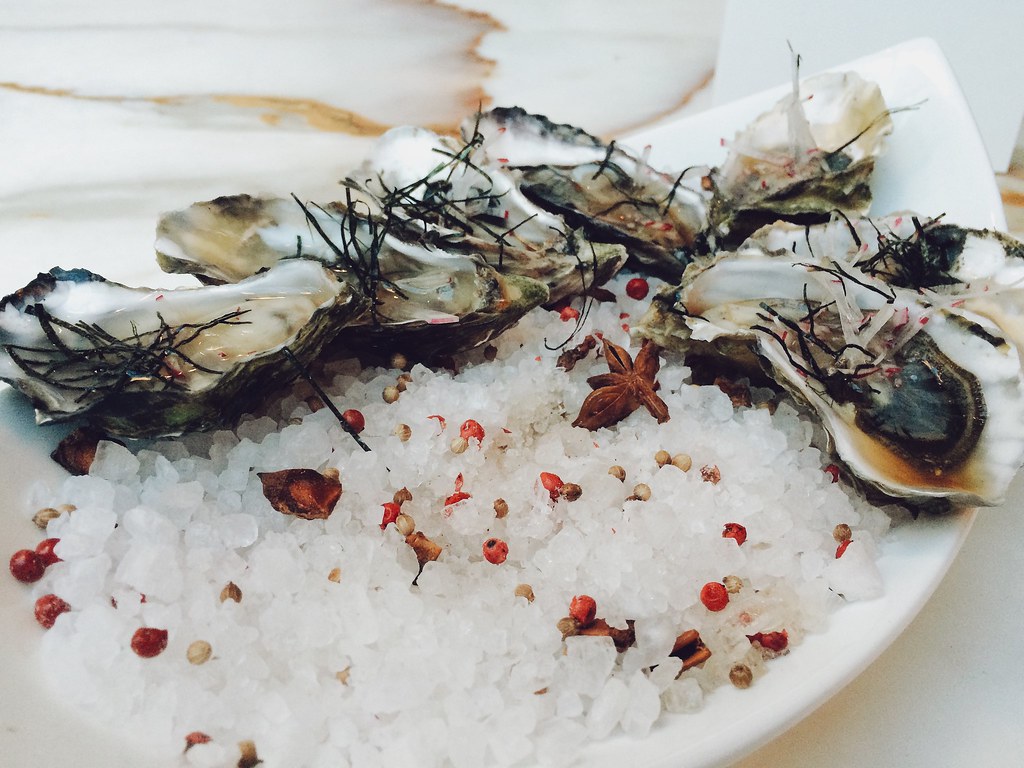
Oysters — the Massachusetts oyster scene is excellent. Wellfleet, Duxbury, and Island Creek out of Duxbury Bay are the names you'll see most often, and each has a distinct salinity and finish. Raw bars here usually list the farm, which is a good sign; if the menu just says "oysters," ask.
Lobster — mostly Maine, some from Massachusetts waters. Soft-shell (new-shell) lobster in mid-to-late summer is sweeter and easier to eat but has less meat per pound; hard-shell has more meat and ships better. Locals generally prefer soft-shell in season.
Littlenecks, cherrystones, and quahogs are the same species of hard clam at different sizes — littleneck smallest, quahog largest and best for chowder and stuffies.
Steamers (soft-shell clams) are the ones with the siphon sticking out. Served in a bucket with broth and drawn butter. Rinse them in the broth before the butter; there's always some grit.
The Dishes, and How to Judge Them
Clam chowder. New England chowder should be creamy, not gluey. If a spoon stands up in it, it's been thickened with flour or cornstarch to cover for thin clam flavor. It should taste of clam and pork fat and potato, with visible pieces of clam. Restaurants that win chowder competitions often make a heavier, thicker chowder specifically to survive a tasting format — that's a different product from a good bowl.
Fried clams. Whole belly, not strips. Strips are the clam's foot; the belly is where the flavor is. Whole-belly clams should be crisp, greaseless, and slightly sweet, dipped in evaporated milk and corn flour before frying — that's the Ipswich method that defines the style. If a menu offers both, ordering strips is a defensible personal preference but you're missing the point.
Lobster roll. Two legitimate schools. The Maine style is cold lobster meat, lightly dressed with mayo, on a griddled split-top bun. The Connecticut style is warm lobster in butter on the same bun. Boston serves both. What matters more than style: the ratio of meat to filler, whether the bun was actually griddled in butter, and whether there's more celery than lobster. A good roll is mostly claw and knuckle meat with tail mixed in.
Fish and chips. Usually haddock in Boston. The batter should shatter. The fish should flake into large pieces, not turn to paste.
Baked stuffed anything is a New England restaurant tradition that peaked decades ago and survives on nostalgia. Sometimes it's great. Often it's a delivery mechanism for buttered cracker crumbs.
Neighborhood by Neighborhood
The North End is Italian-American first and seafood second, and the combination produces some of the city's best fish cooking — fried calamari, seafood fra diavolo, whole roasted fish. The main drags get heavy tourist traffic; the side streets are better.
The Seaport has the newest and most expensive seafood restaurants in the city, plus the actual fish pier. Quality is generally high and so are prices. This is where you go for a raw bar and a view, knowing you're paying for both.
South Boston and Dorchester have neighborhood seafood spots and takeout counters that serve the people who live there. Fried plates, chowder, and lobster rolls at prices that reflect a local customer base.
Cambridge and Somerville have a strong set of restaurants doing more ambitious things with local fish — crudo, whole-fish preparations, less familiar species like bluefish, mackerel, and monkfish. Worth crossing the river for.
Quincy and the South Shore have the classic clam shacks. This is the summer move: drive out, eat fried clams outdoors, drive back.
The Faneuil Hall / Quincy Market area is the single most tourist-concentrated dining zone in the city. There are exceptions, but as a default, walking ten minutes in almost any direction improves your odds substantially.
Seasonality Actually Matters Here
Summer is peak for soft-shell lobster, steamers, and the clam-shack circuit. Oysters are perfectly safe in summer despite the old "months with an R" rule — modern aquaculture handles it — but many people find them better in cold months when the meat is firmer.
Fall and winter are the best oyster months, prime scallop season, and the right time for chowder and baked fish.
Spring brings shad, and the beginning of the shift back toward lighter preparations.
Buying It Yourself
Boston has real fish markets, and they are one of the best value propositions in the city. A neighborhood fish market will tell you what came in that morning, cut a piece to the size you want, and often charge less for better fish than a supermarket. Ask what's freshest rather than asking for a specific species — the answer is more useful and you'll eat better.
Signs of a good market: whole fish on ice with clear eyes and bright red gills, a counter that smells like clean seawater rather than fish, and a fishmonger who volunteers what not to buy today.
Looking for seafood restaurants near you in Boston? Browse our directory of local seafood restaurants and fish markets with addresses, hours, and directions.